
A staged programme moving from understanding disease biology toward future therapeutic development. Each stage answers a question the next one depends on.
All published work on FBXO28 — forty-six papers and the main gene databases — is collected in the Research Library.
01 · Disease mechanisms
Establish what FBXO28 variants do to the protein and to the cellular pathways it controls. In the patients studied here the fault sits near the end of the gene, so the cell most likely still produces the protein, only shortened. Whether that shortened protein is inactive, actively harmful, or mislocalised decides which therapeutic route is possible at all. This is the step that is not yet funded, and the one on which every later stage depends.
02 · Patient-derived cellular models
Expand fibroblast and induced pluripotent stem cell resources and develop disease-relevant neuronal models. Material from a second family is entering the same pipeline, so that findings can be validated in more than one patient background rather than resting on a single case.
03 · Multi-omics
Generate transcriptomic and proteomic datasets to identify disrupted pathways and candidate biomarkers. Without a measurable cellular difference there is nothing for a drug screen to screen against.
04 · Drug repurposing
Phenotypic screening of already-approved compounds against the cellular phenotype established in the earlier stages. Approved compounds are the fastest realistic route to something a child could actually receive.
05 · Therapeutic development
Translate validated findings into a therapeutic strategy — gene therapy if the protein proves inactive, an antisense approach if it proves harmful. The answer from stage 01 determines which of these is even worth pursuing, which is why the programme is built in this order and not the other way round.
Running alongside
A patient cohort and natural history dataset. Any future therapy will be measured against it, so it has to exist before the therapy does.
Why a rare disease programme matters beyond the rare disease
FBXO28 regulates MYC, one of the best-characterised cancer genes, and its activity predicts outcome in breast cancer. Results from this programme will be the first functional description of a disease-causing FBXO28 variant — useful to cancer research as well as to neurology.
Work with us
The Foundation is looking for collaborators and for the funding to run stage 01. If you work on the ubiquitin–proteasome system, on developmental and epileptic encephalopathies, or on precision therapies for ultra-rare disease, we would like to talk.
Research Network
The people and organisations the Foundation works with, and the kind of relationship each one is.
Academic and clinical collaborators

Lidia Wróbel
Laboratory of Cellular Proteostasis, International Institute of Molecular and Cell Biology in Warsaw (IIMCB), Poland
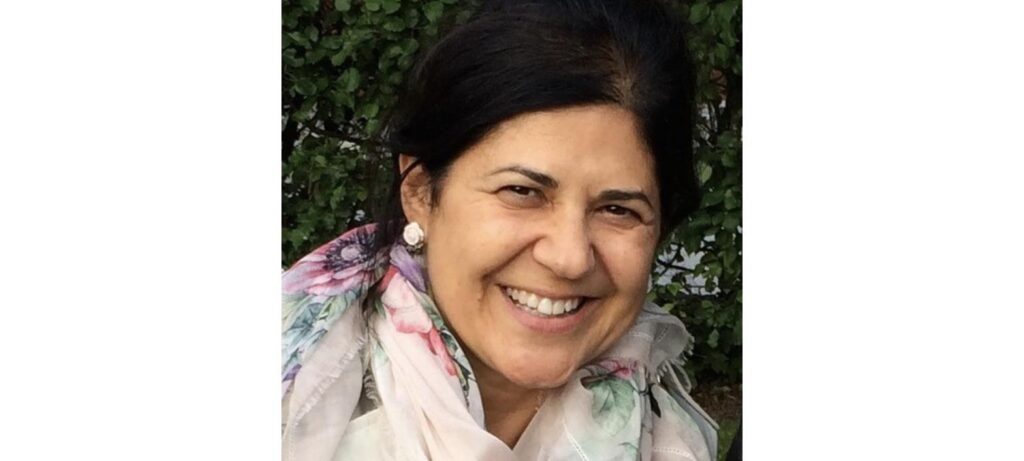
Maria Roberta Cilio
Department of Pediatrics, Saint-Luc University Hospital, and Institute of Neuroscience (IoNS), UCLouvain, Brussels, Belgium
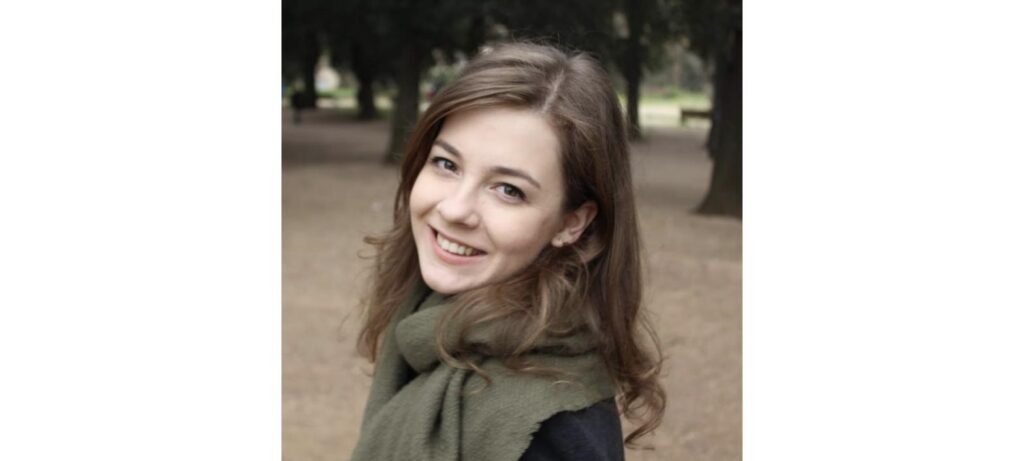
Evelina Carapancea
Institute of Neuroscience (IoNS), UCLouvain, Brussels, Belgium
Andre von Marle
Academic and clinical collaborator
Research and industry partners
The Foundation collaborates with Biovista and Aris Persidis.

Networks and initiatives
FBXO28 Research Foundation is a member of the Rare Epilepsy Network (REN).
Collaborators are added only once a collaboration is genuinely established. An introductory call or an informal scientific discussion does not place anyone on this page.