
The Foundation welcomes academic laboratories, clinicians and biotechnology partners. Our purpose is to remove the practical barriers that make ultra-rare disease research slow: access to patient-derived material, access to structured clinical phenotype data, and access to other people already working on the same gene.
Before writing, you may want the Research Library: every paper on FBXO28, with links to full text and open-access copies where the licence allows.
Available now
| Resource | Status |
|---|---|
| Patient-derived fibroblasts (proband and both parents) | Established and available |
| Patient-derived iPSC lines | In preparation |
| Disease-relevant neuronal models | In development |
| Clinical phenotype documentation | Available, structured |
| Longitudinal follow-up data | Collection being established |
| Transcriptomic and proteomic datasets | Planned |
Material from a second family is entering the same pipeline, which means findings can be tested in more than one patient background.
How to request access
Write to contact@fbxo28.org with:
- Your name, position and institution.
- A short description of the proposed work — half a page is enough at first contact.
- Which material or data you would need, and in what form.
- Whether your institution requires a material transfer agreement, and who negotiates it on your side.
We aim to reply within five working days, and we will tell you honestly if something is not available yet rather than leaving a request open.
Research Network
The people and organisations the Foundation works with, and the kind of relationship each one is.
Academic and clinical collaborators

Lidia Wróbel
Laboratory of Cellular Proteostasis, International Institute of Molecular and Cell Biology in Warsaw (IIMCB), Poland
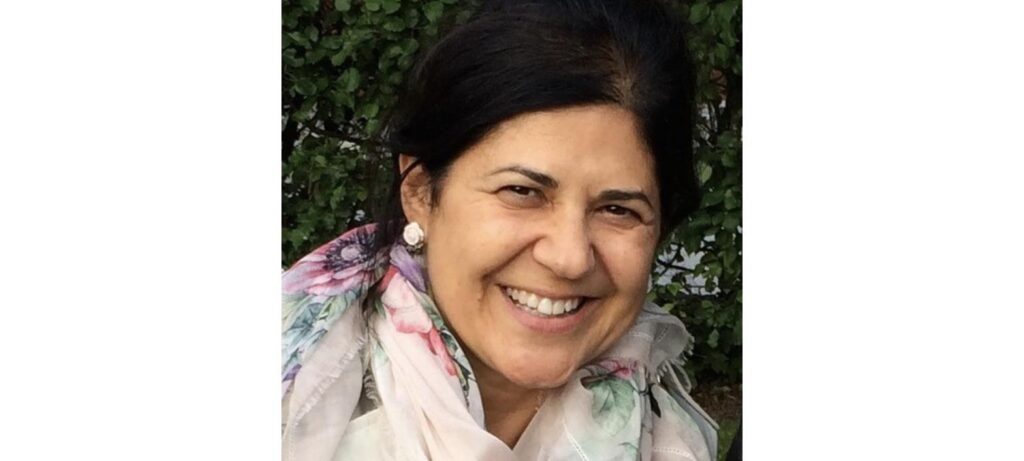
Maria Roberta Cilio
Department of Pediatrics, Saint-Luc University Hospital, and Institute of Neuroscience (IoNS), UCLouvain, Brussels, Belgium
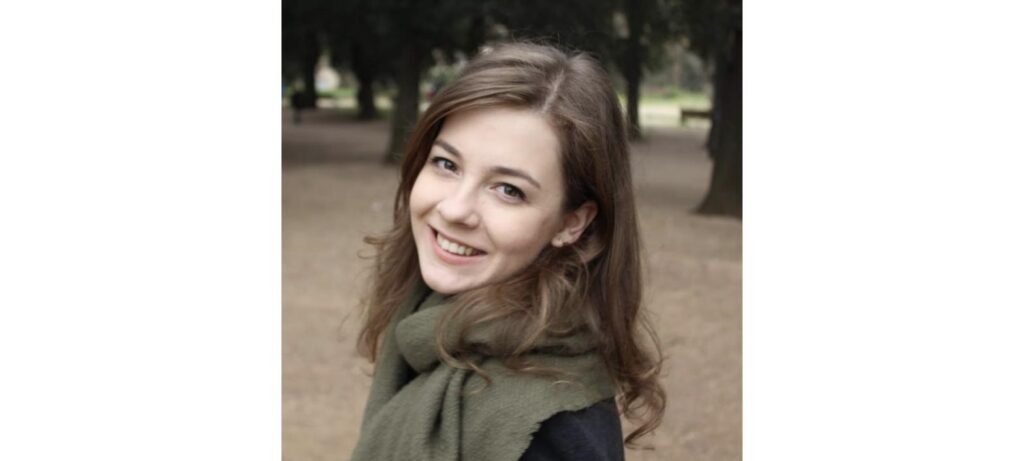
Evelina Carapancea
Institute of Neuroscience (IoNS), UCLouvain, Brussels, Belgium
Andre von Marle
Academic and clinical collaborator
Research and industry partners
The Foundation collaborates with Biovista and Aris Persidis.

Networks and initiatives
FBXO28 Research Foundation is a member of the Rare Epilepsy Network (REN).
Collaborators are added only once a collaboration is genuinely established. An introductory call or an informal scientific discussion does not place anyone on this page.
What we are looking for most
Teams able to establish what the truncated FBXO28 protein actually does in a living cell — whether it is inactive, actively harmful, or mislocalised. Which therapeutic route is open to these children depends on that answer, and at present nobody has it.
If you have seen a patient with an FBXO28 variant, please write to us even if you are not planning a research collaboration.