FBXO28 Research Foundation
FBXO28-Related Developmental and Epileptic Encephalopathy (DEE100)
Accelerating research, building patient-derived disease models and connecting scientists worldwide to advance the development of future therapies for FBXO28-related disorders.

Why this foundation exists
Fewer than twenty people worldwide have been reported with a disease-causing FBXO28 variant. There is no treatment that addresses the cause — care is symptomatic and decided case by case. The Foundation was registered in August 2026 by the family of one of those children, to do the part nobody else was going to do: secure patient-derived material, place it with laboratories able to work on it, and pay for the experiments that show what the variant actually breaks.
Research resources and capabilities
What the programme has in hand today, what is being built, and what has not started yet.
Patient-derived fibroblasts. Secured, and available now to collaborating laboratories.
Patient-derived iPSC lines. Established, and the panel is expanding to support disease modelling and therapeutic discovery.
Disease-specific neuronal models. In development, to study disease mechanisms and future therapeutic approaches.
Transcriptomics and proteomics. Planned. These are the studies that would show which pathways the variant disturbs.
Drug repurposing. Not started. A phenotypic screening programme to identify candidate compounds.
Mechanism before modality — we are not looking for a therapy before we know what it has to correct.
About FBXO28
FBXO28 is a gene involved in the ubiquitin–proteasome system, an essential pathway that regulates proteins within cells. It plays an important role in brain development and neuronal function.
Disease-causing variants in FBXO28 are associated with Developmental and Epileptic Encephalopathy 100 (DEE100), an ultra-rare neurodevelopmental disorder.
Clinical features may include:
- Developmental delay
- Intellectual disability
- Hypotonia
- Epilepsy or infantile spasms
- Feeding difficulties
- Movement disorders
- Visual impairment, including possible cortical visual impairment
There are currently no disease-modifying therapies. Understanding the underlying biology is therefore the essential first step toward developing effective treatments.
Because FBXO28 participates in fundamental cellular pathways, discoveries made through FBXO28 research may also contribute to oncology, neurodegeneration and precision medicine.
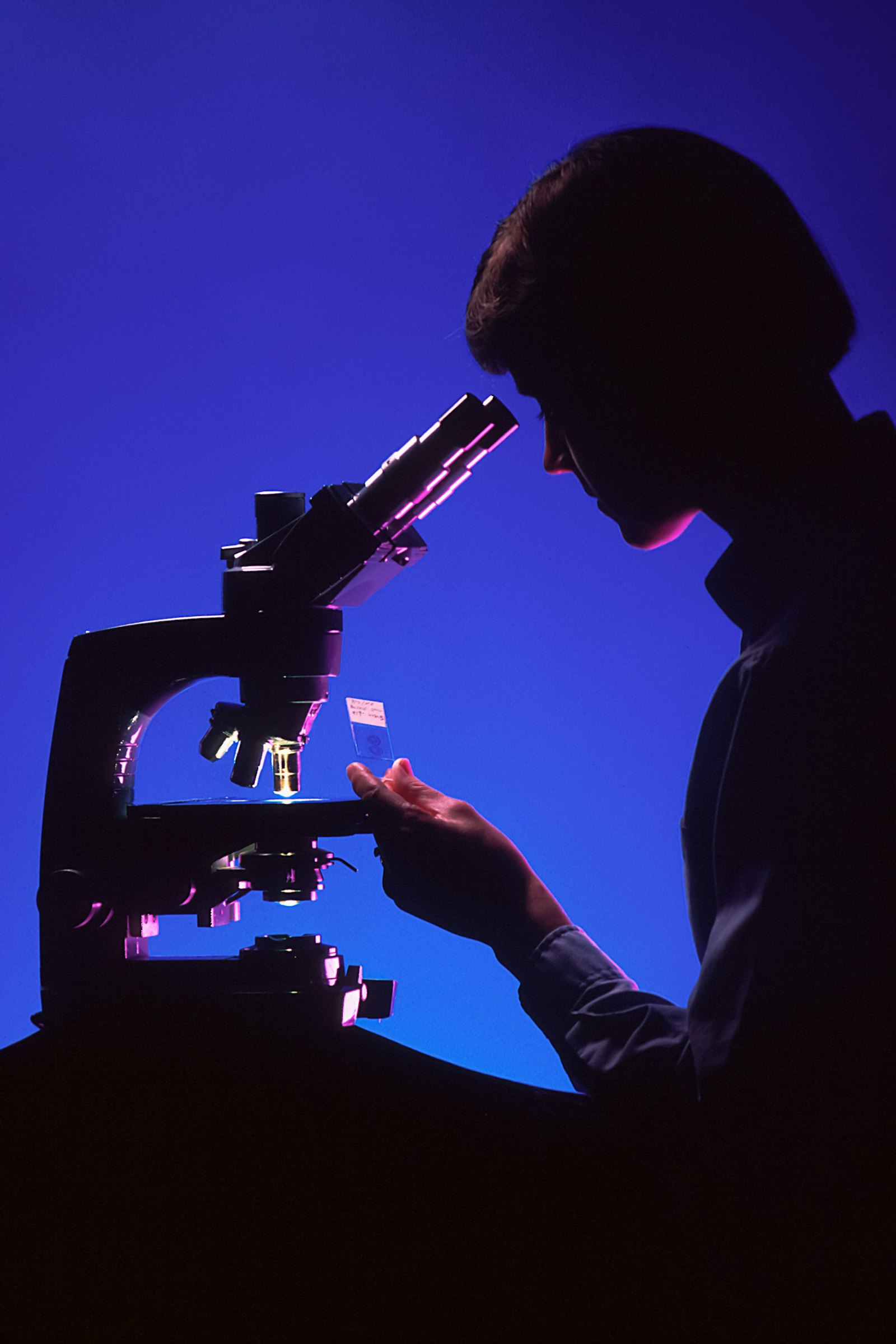
Why Rare Disease Research Changes Medicine
Research on rare diseases frequently uncovers biological pathways relevant to much more common conditions. Investment in FBXO28 research therefore has the potential to benefit both affected families and the wider scientific community.
Research Programme
A staged programme moving from understanding disease biology toward future therapeutic development.
01
Disease Mechanisms
Study how FBXO28 variants alter cellular pathways and neuronal function.
02
Patient-derived Cellular Models
Expand fibroblast and iPSC resources and develop disease-relevant cellular models.
03
Multi-omics
Generate transcriptomic and proteomic datasets to identify disrupted pathways and biomarkers.
04
Drug Repurposing
Develop phenotypic screening approaches for existing compounds and therapeutic candidates.
05
Future Therapeutic Development
Translate validated discoveries into longer-term therapeutic strategies.
For Researchers
The Foundation actively welcomes collaborations with academic laboratories, clinicians and biotechnology partners. Our goal is to remove barriers to rare disease research by providing access to patient-derived biological material, clinical documentation and an expanding international research network.
Research resources
- Patient-derived fibroblasts – available
- Patient-derived iPSC resources – available and expanding
- Clinical phenotype documentation
- Longitudinal follow-up
- Future transcriptomic and proteomic datasets
Research Network
The people and organisations the Foundation works with, and the kind of relationship each one is.
Academic and clinical collaborators
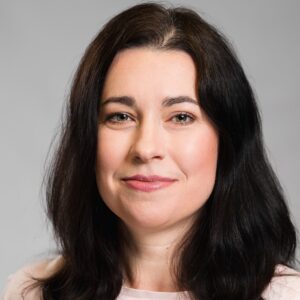
Lidia Wróbel
Laboratory of Cellular Proteostasis, International Institute of Molecular and Cell Biology in Warsaw (IIMCB), Poland
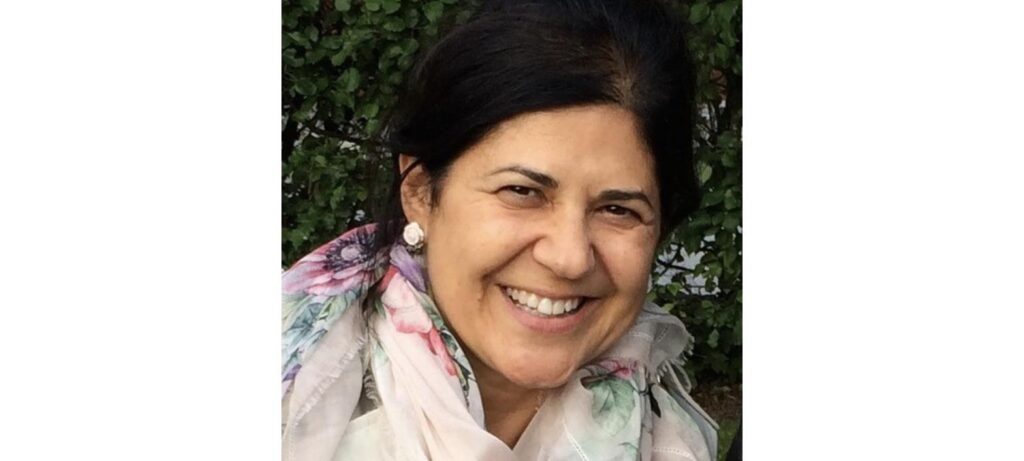
Maria Roberta Cilio
Department of Pediatrics, Saint-Luc University Hospital, and Institute of Neuroscience (IoNS), UCLouvain, Brussels, Belgium
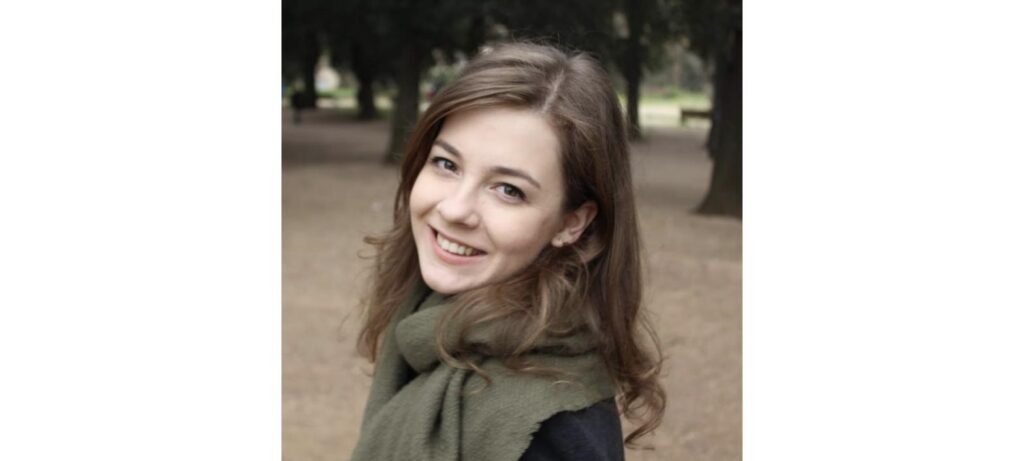
Evelina Carapancea
Institute of Neuroscience (IoNS), UCLouvain, Brussels, Belgium
Andre von Marle
Academic and clinical collaborator
Research and industry partners
The Foundation collaborates with Biovista and Aris Persidis.
Networks and initiatives
FBXO28 Research Foundation is a member of the Rare Epilepsy Network (REN).
Collaborators are added only once a collaboration is genuinely established. An introductory call or an informal scientific discussion does not place anyone on this page.
For Families
We aim to help families understand an FBXO28 diagnosis, follow research progress and connect with future initiatives designed for the global FBXO28 community.
- Understanding an FBXO28 diagnosis
- Patient Registry — coming soon
- Natural History Study — coming soon
- Research updates
- Community support
Connect with other FBXO28 families
You are not alone. Join our private Facebook group for families and caregivers affected by FBXO28-related disorders. Connect with other families, share experiences and become part of the growing international FBXO28 community.
Private community for families and caregivers. Participation in the Facebook group is separate from participation in the FBXO28 patient registry or research studies.
About the Foundation
About the Founder
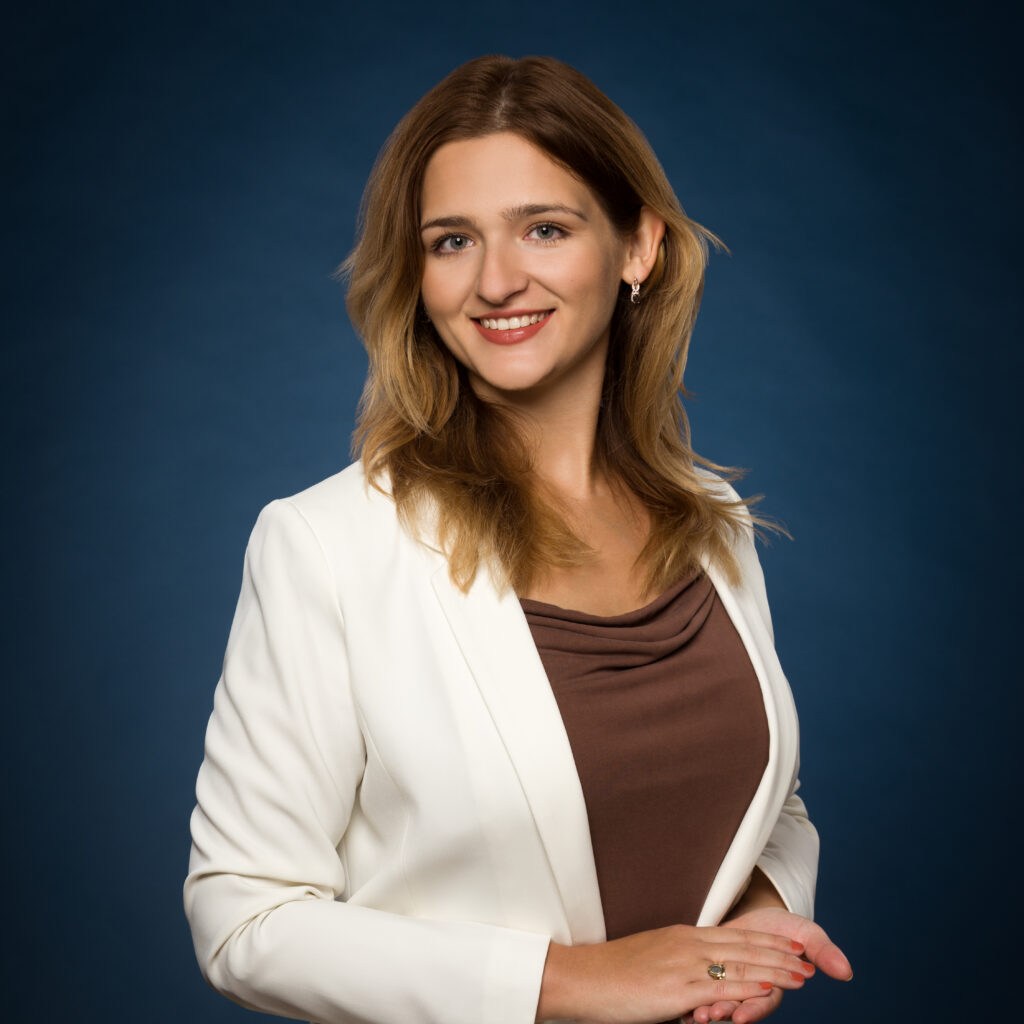
The FBXO28 Research Foundation was founded by Aleksandra Sułkowska-Bojarczyk, MD, first and foremost the mother of Klara, a child diagnosed with an ultra-rare FBXO28-related disorder.
Faced with the uncertainty that accompanies an ultra-rare diagnosis, Aleksandra and her husband, Sergiusz, made a family commitment to build an international network of scientists, clinicians and research partners dedicated to accelerating FBXO28 research and the development of future therapies.
Although Klara’s diagnosis was the catalyst for this work, the Foundation was created for the entire global FBXO28 community, with the goal of advancing research, fostering collaboration and helping bring effective therapies closer to patients.
Aleksandra Sułkowska-Bojarczyk, MD
Founder and President of the Board, FBXO28 Research Foundation
Mother of Klara | Child and Adolescent Psychiatrist in Training
Support Research
Your support can help build the scientific infrastructure needed to understand FBXO28 and create a path toward future therapies.
Research News & Updates
Follow progress in FBXO28 research, scientific collaborations and Foundation activities.
Medical disclaimer: Information on this website is provided for educational purposes only and does not replace consultation with a qualified healthcare professional.